Rendering & painting specialists — Adelaide & regional South Australia
What it is
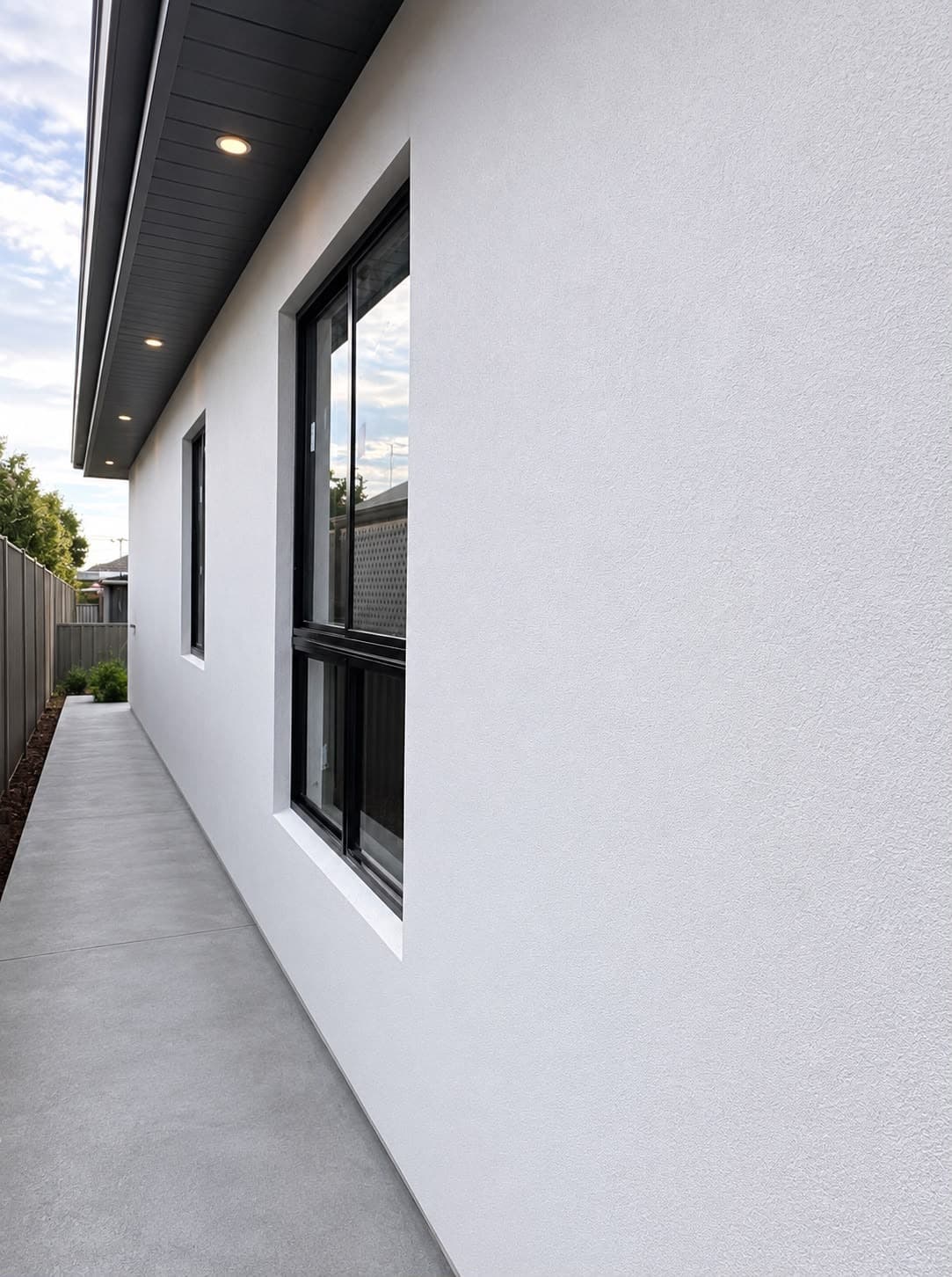
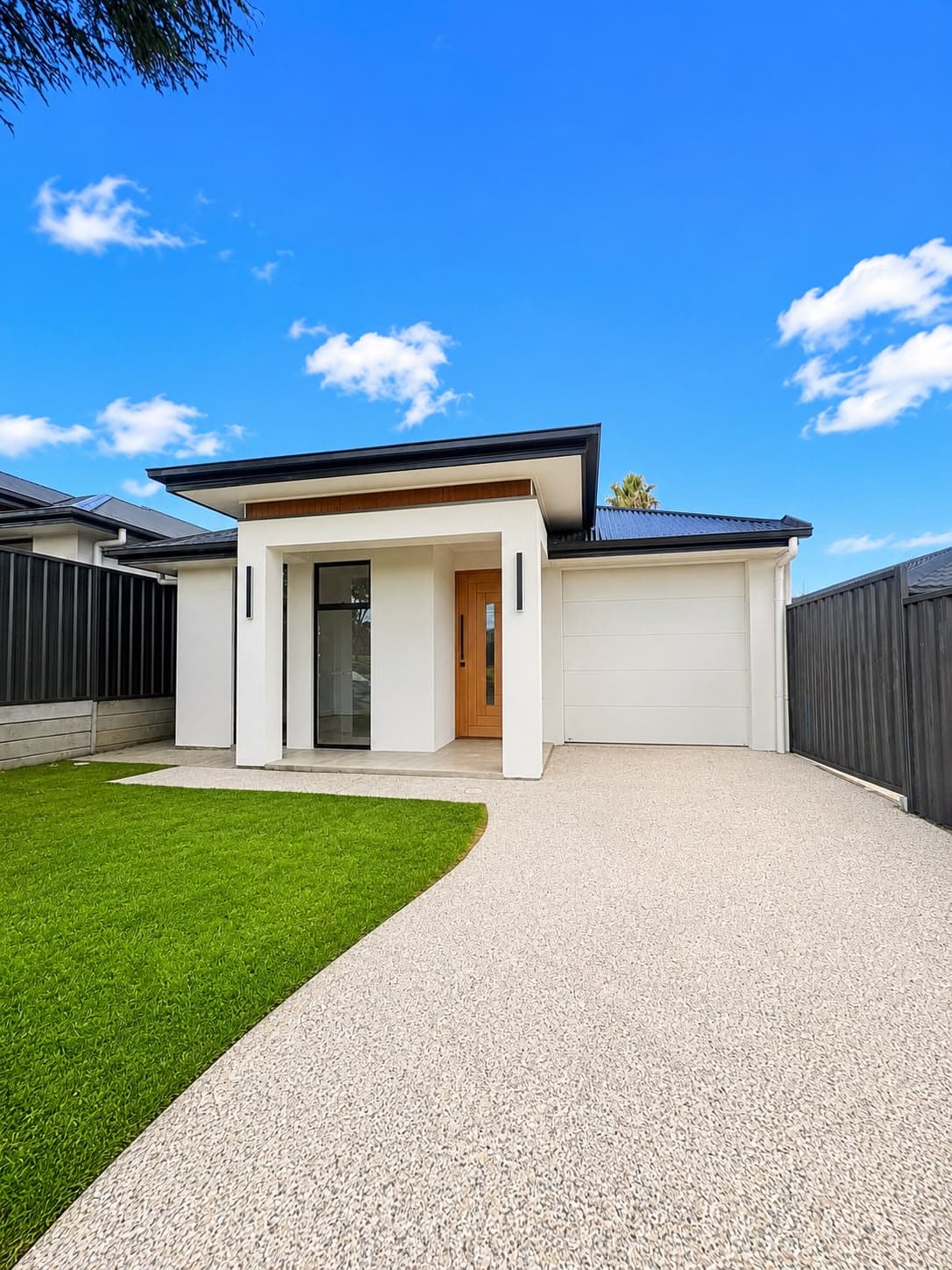
External rendering is the process of applying a coating system over a masonry or sheeted wall so it reads as one continuous, deliberate surface instead of a patchwork of brick, block and joints. It is the single change that alters the character of a building most, and it is the one most people notice from the street.
A render is not just decoration. Done properly it is part of how the wall handles weather — shedding water, tolerating the small movements every building makes, and protecting whatever sits behind it. That is why the preparation and the base coats matter more than the finish coat most people are actually choosing between.
Why it's worth it
Brick joints, patched openings, mixed substrates and old repairs disappear under a properly built render system.
The coating sheds water off the wall face and, on sheet and panel systems, forms the weatherproofing layer itself.
Rendering is consistently one of the highest-impact exterior changes available relative to what it costs.
Control joints are set out to match the wall and the site so the render moves with the building rather than cracking across it.
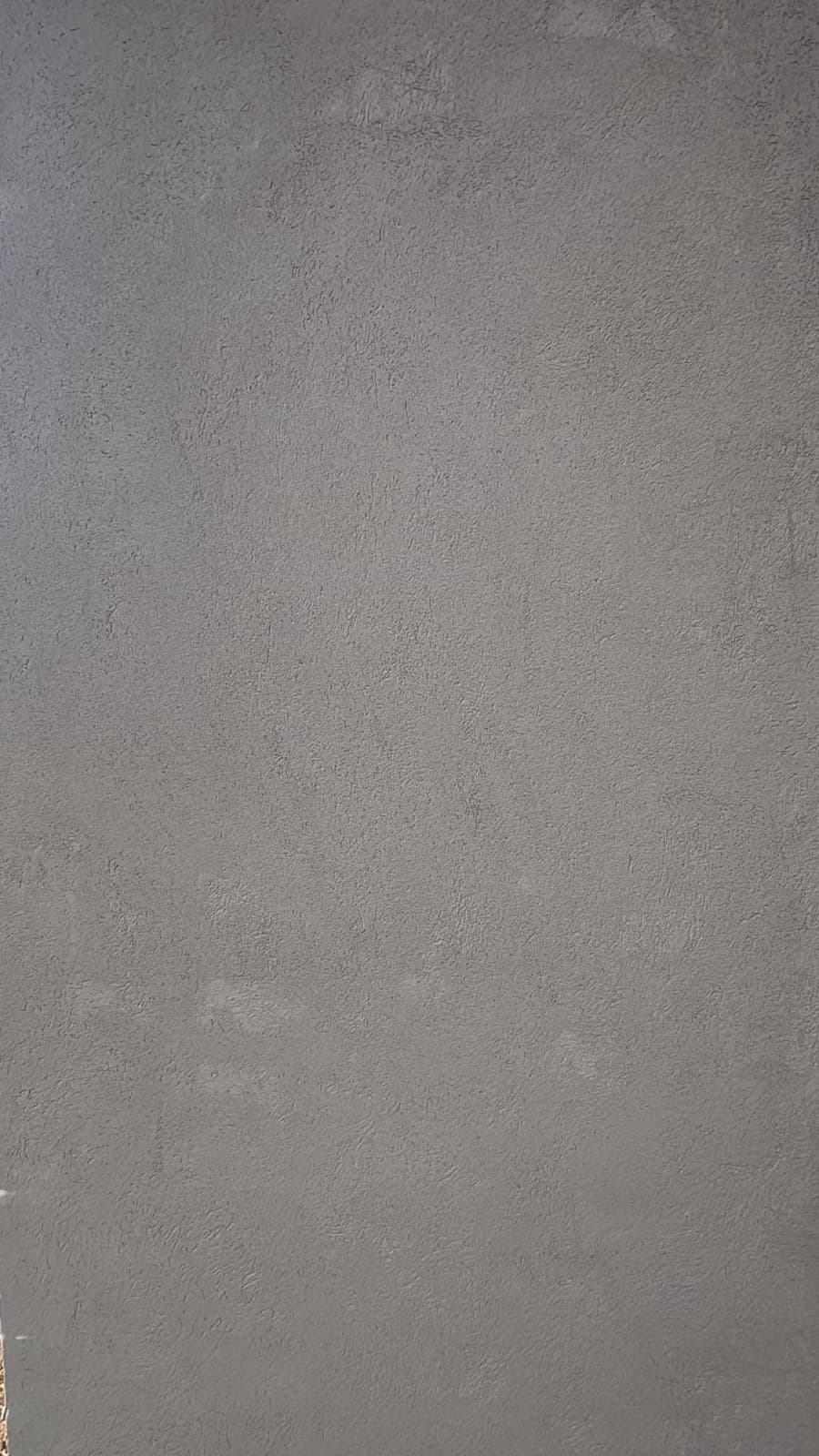
The same base system can carry a fine sponge float, a smooth trowelled finish, a heavy texture or a fully custom profile.
Tinted top coats and membranes mean the colour is part of the system rather than a coat of paint sitting on top of it.
Our process
We look at the substrate, its condition, the site's exposure and any existing cracking, then measure up and set out where control joints need to fall.
Surfaces are cleaned and made good. Contaminated, loose or previously coated areas are treated or removed, and a bonding agent or primer is applied where the substrate calls for it.
The levelling base coat goes on, with reinforcing mesh embedded at sheet joints, panel joints and stress points such as window and door corners.
The chosen texture or finish coat is applied consistently across each elevation, control joints are sealed, and the site is cleaned down and inspected with you before we leave.
Who it's for
Good to know
For a typical single-storey home, allow roughly one to two weeks depending on size, access and how many coats the system needs. Each coat has to cure before the next goes on, so weather is usually the biggest variable — we won't rush a coat to hit a date.
Related
Tell us about your project and we'll come out, take a proper look, and give you a clear written quote — no pressure, no obligation.