Rendering & painting specialists — Adelaide & regional South Australia
What it is
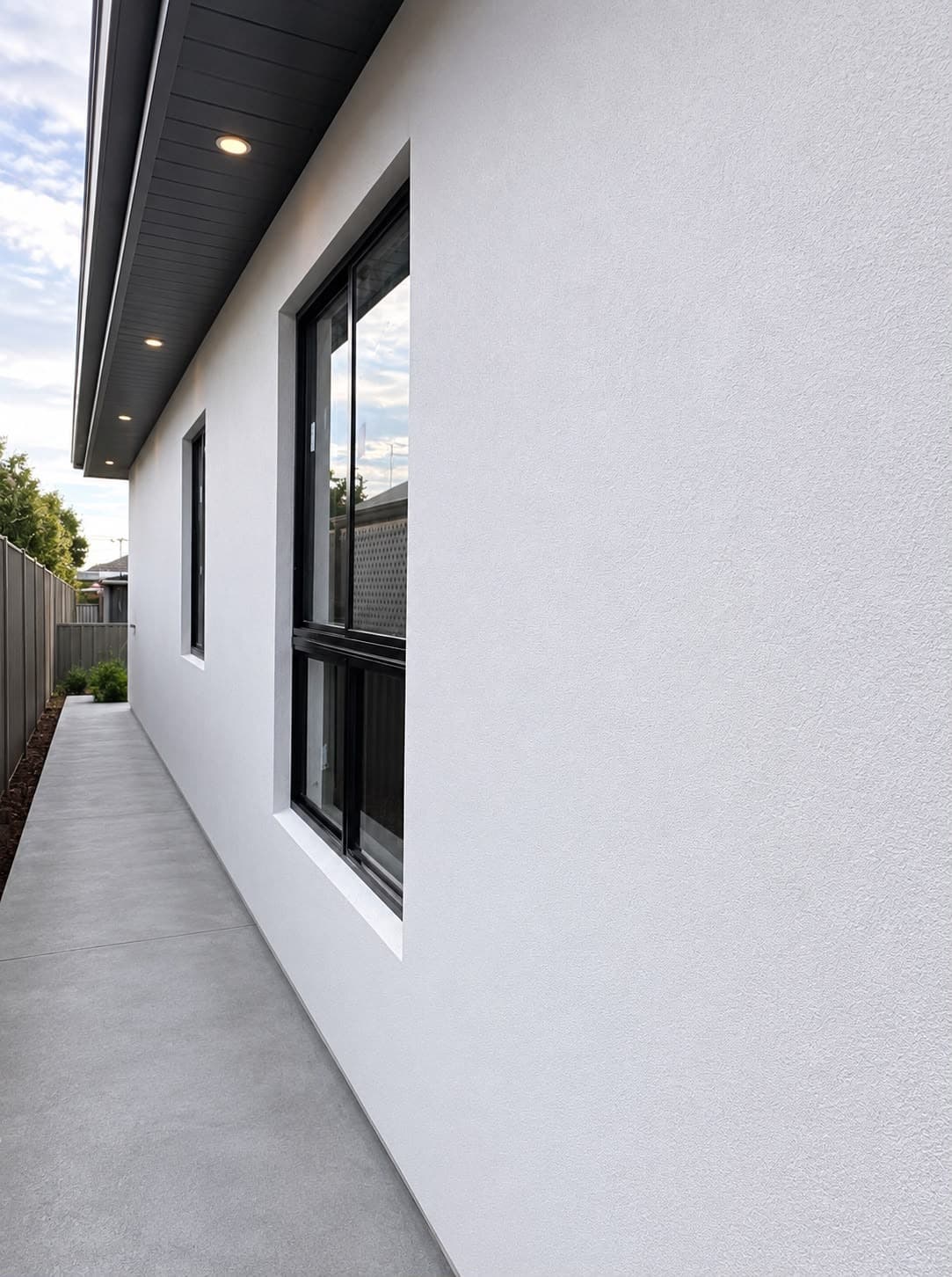
Acrylic render is a pre-mixed, polymer-modified coating. The acrylic content is what changes its behaviour: it makes the render more flexible than a traditional sand-and-cement mix, improves how well it grips the substrate, and makes it considerably more resistant to water getting in through the face of the wall.
In practice that means it copes better with the small movements a house makes through hot days and cold nights, it can go over substrates that plain cement render struggles to bond to, and it cures faster — which shortens the job. It is the system we specify most often for exposed walls and for anything sheeted or panelled.

Why it's worth it
The polymer content lets the coating accommodate normal structural movement that would craze a rigid cement render.
Bonds reliably to AAC panel, fibre cement sheet, painted masonry and smooth concrete where cement render often needs help.
Resists moisture penetration through the wall face — which matters most on the weather-facing elevations.
Shorter curing times between coats mean less time with scaffold up and a shorter overall program.
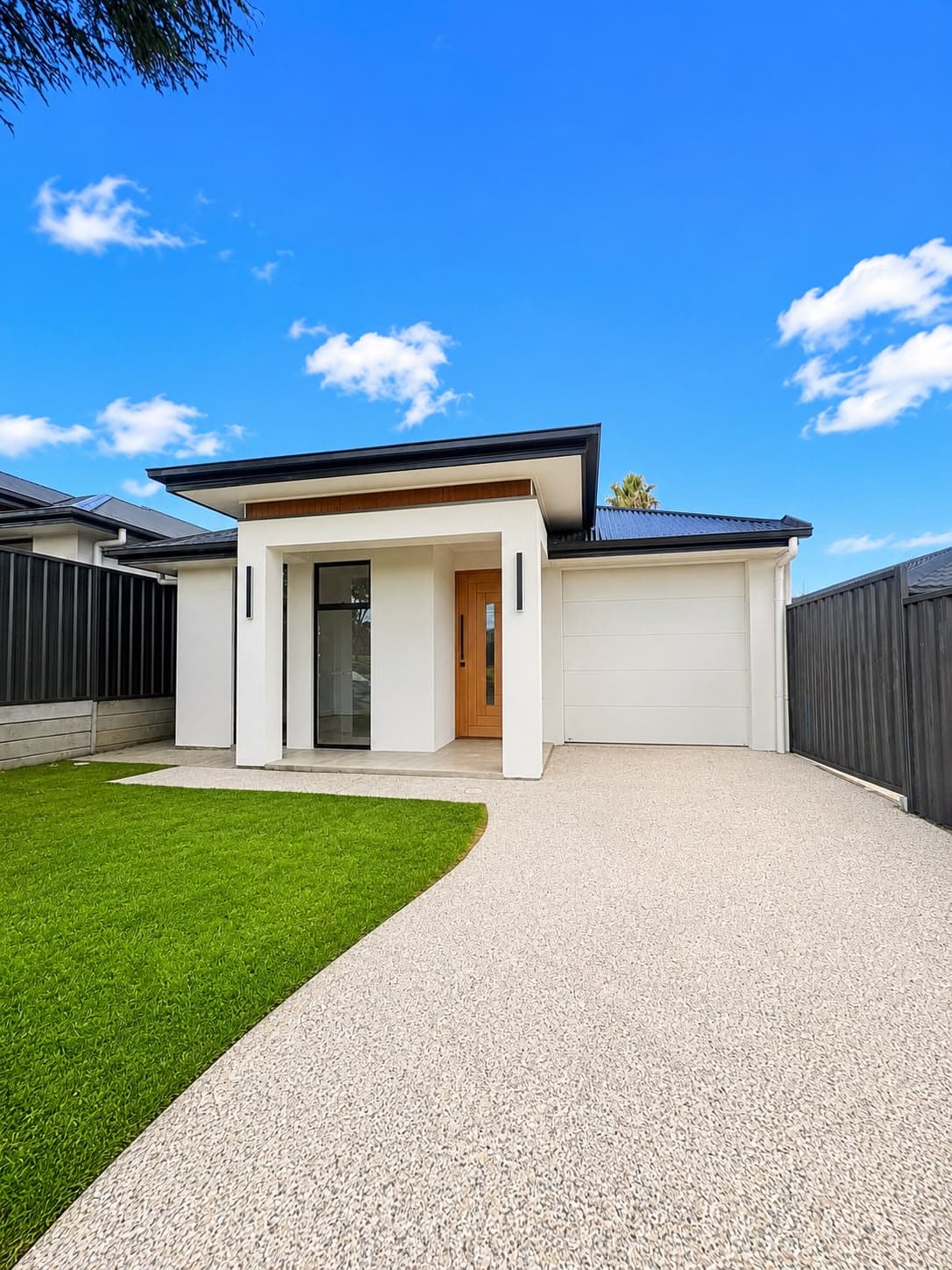
Available across a full colour range and in finishes from fine sand through to heavy texture.
Applied thinner than traditional render, so it adds less load — useful on sheeted and framed walls.
Our process
We confirm what the wall is made of and what condition it is in, because the substrate determines the primer, the mesh and the coat thickness.
The wall is cleaned down, a compatible primer or bonding coat is applied, and control joints and beads are set out before any render goes on.
The acrylic base coat is applied and alkali-resistant mesh is bedded into it at joints and openings to spread stress.
The selected texture is worked consistently across full elevations to avoid visible joins, then sealed or top coated as the system requires.
Who it's for
Good to know
Cement render is cheaper, harder and very well suited to solid masonry that isn't moving much. Acrylic costs more but flexes, bonds to far more substrates and resists water better. On solid brick with a sheltered aspect, cement is often the sensible call. On sheet, panel, or an exposed elevation, acrylic is usually worth the difference.
Related
Tell us about your project and we'll come out, take a proper look, and give you a clear written quote — no pressure, no obligation.